Wisdom Teeth Extraction

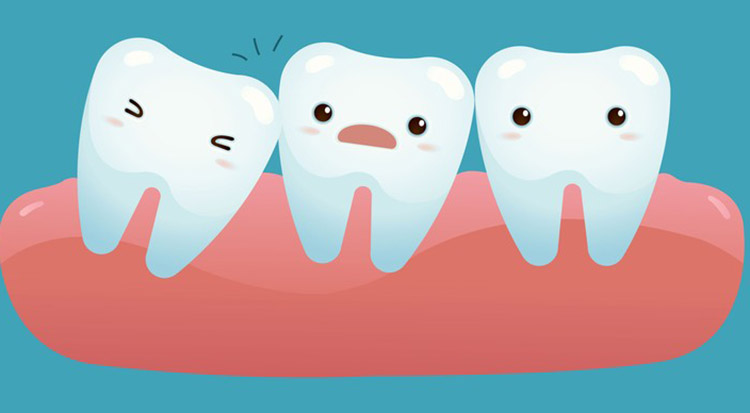
Wisdom teeth are the last teeth to emerge, usually appearing between the ages of 17 and 25. For some people they come through without problems, but for others they may develop at an angle, only partially emerge, or remain trapped under the gum (impacted).

Impacted wisdom teeth can sometimes contribute to issues such as discomfort, infection, or pressure on nearby teeth. In these situations, your dentist may discuss whether removal is an appropriate option.

.
Wisdom Teeth Extraction in Adelaide

Assessment and X-rays

Not all impacted teeth cause pain, so X-rays are often used to help monitor how wisdom teeth are developing. Your dentist may suggest radiographs in the late teen or early adult years to better understand the position of your wisdom teeth and whether they are likely to cause difficulties in the future.

Care after a wisdom tooth extraction

Recovery experiences vary from person to person, but some common tips patients may find helpful include:

  • Resting at home for the first day after the procedure
  • Avoiding alcohol and smoking while healing
  • Choosing softer foods, such as soups, smoothies, or yogurt
  • Drinking plenty of fluids
  • Applying an ice pack externally to help with swelling
  • Taking pain relief as directed by your treating clinician

If you’d like to discuss your wisdom teeth or arrange an assessment, please contact our friendly team.

If you have visited our Wisdom Teeth Extraction page you may be interested in reading more about our emergency dental treatmentstooth extractions, or restorative dental treatments.

Wisdom Teeth Extraction FAQ’s

Wisdom teeth, or third molars, are the last permanent teeth to appear in the mouth, usually between the ages of 17 and 25. Some people never develop wisdom teeth, while others find they erupt normally without causing difficulties.

For many people, however, wisdom teeth may not have enough room to come through properly. This is called impaction, and it can mean the teeth only partially emerge, or remain under the gum or bone.

Impacted wisdom teeth can develop in different ways, for example:

  • Growing at an angle toward the neighbouring tooth
  • Tilting toward the back of the mouth
  • Growing horizontally (sideways) within the jawbone
  • Remaining upright but not fully erupting into the mouth

If wisdom teeth are impacted or causing problems, your dentist may discuss whether removal is appropriate as part of your care.

Not everyone experiences problems with their wisdom teeth, but in some cases, impacted teeth may contribute to issues such as:

  • Pain or discomfort in the back of the mouth
  • Food and debris becoming trapped around the tooth
  • Localised infection or gum inflammation
  • Increased risk of decay in a partially erupted tooth
  • Pressure on nearby teeth
  • Development of a cyst (fluid-filled sac) near the impacted tooth
  • Interference with orthodontic treatment in certain cases

If you are concerned about your wisdom teeth, your dentist can assess their position and discuss whether any treatment, including removal, may be appropriate.

In many cases, wisdom tooth removal is done as a day procedure, so patients usually return home the same day. Your dental or surgical team will give you specific instructions tailored to your procedure and health needs.

Some helpful questions you may want to ask your treating team before your appointment include:

  • Will I need someone to drive me home after the procedure?
  • What time should I arrive at the clinic or hospital?
  • Do I need to fast (avoid food or drink) beforehand, and if so, when should I start?
  • Can I take my prescription medications before surgery, and if so, when?
  • Should I avoid any over-the-counter medications before surgery?

Asking these questions can help you feel more prepared and confident about your upcoming procedure.

Recovery experiences vary from person to person, and your dentist or oral surgeon will give you specific instructions for your situation.

Some things people may experience after wisdom tooth removal include:

  • Mild bleeding or oozing from the site in the first day
  • Swelling or bruising around the cheeks or jaw
  • Discomfort that can be managed with pain relief as advised by your dentist
  • The need to eat softer foods for a short period
  • Temporary stitches, which may dissolve on their own or require a follow-up visit for removal

It’s important to follow the guidance of your treating team regarding pain relief, eating and drinking, cleaning your mouth, and returning to normal activities.

Everyone heals differently after wisdom tooth removal. Your dentist will give you instructions on what to expect and when to return for follow-up.

In general, it’s a good idea to get in touch with your dentist or oral surgeon if you are concerned about your recovery, for example, if you notice:

  • Difficulty swallowing or breathing
  • Bleeding that seems excessive
  • Ongoing fever
  • Pain that isn’t easing with the pain relief you were advised to take
  • Swelling that continues to worsen after a few days
  • A persistent bad taste or odour in your mouth
  • Numbness or tingling that doesn’t go away
  • Unusual discharge from the surgical site

If you’re unsure whether what you are experiencing is normal, it’s always safest to contact your dentist or health professional for advice.

Every Smile Is Unique – Results Vary

Any questions give us a call