

Root Canal Treatment in Adelaide
At Morphett Vale Dental Care, we understand how important it is to protect and preserve your natural teeth. Root canal treatment, also known as endodontic therapy, is a specialised procedure designed to treat infection inside a tooth and relieve discomfort while saving the tooth.
Root canal treatment is often the best option to avoid extraction and helps maintain the strength, function, and natural appearance of your smile.
Is there an alternative to Root Canal Treatment?
The only alternative to root canal treatment is tooth extraction. While replacement options such as bridges, dentures, or implants are available, nothing functions quite as well as your natural tooth. Losing a tooth can lead to:
- Drifting of adjacent teeth
- Food trapping, further decay, and gum disease
- Over-eruption of opposing teeth
- Jaw joint or muscle problems
Where possible, saving your natural tooth is the preferred choice.
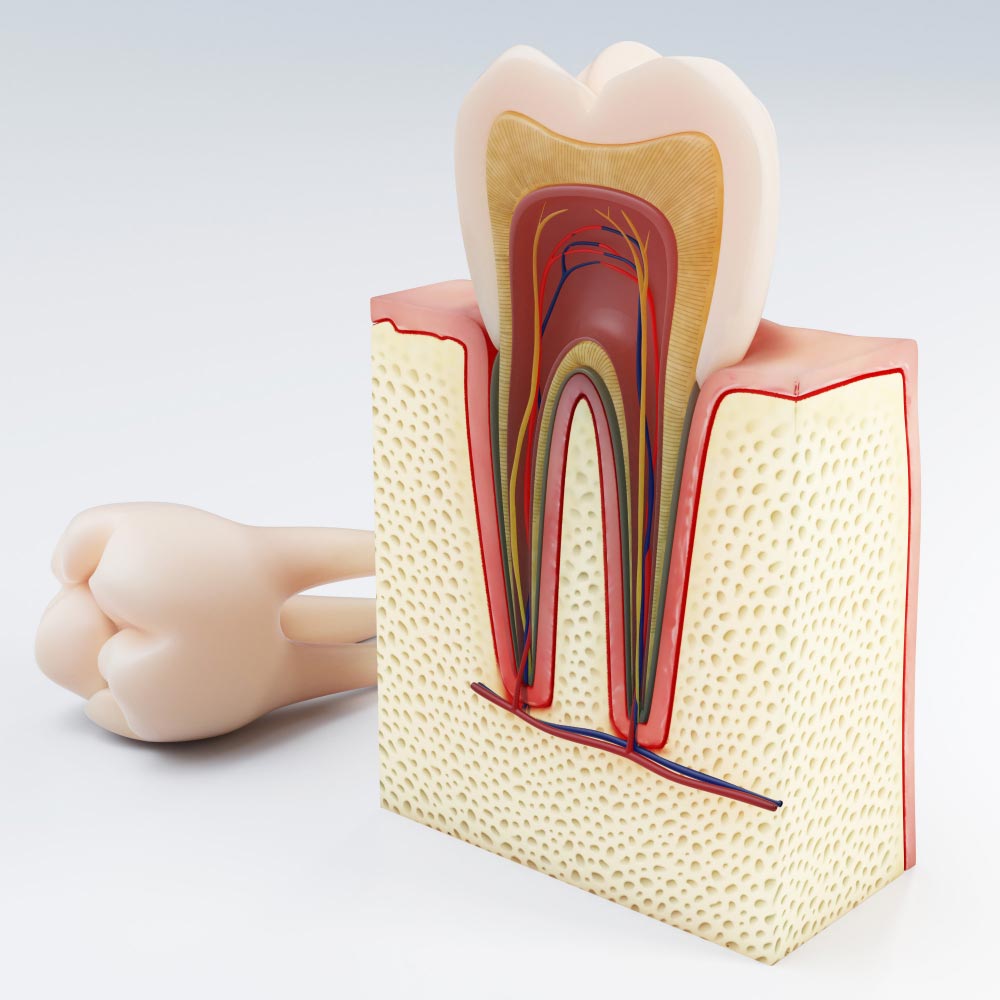
Signs You May Need Root Canal Therapy
You may require root canal treatment if you experience:
- An abscess or pimple on the gums
- Sensitivity to hot and cold
- Severe or throbbing toothache (especially if it wakes you at night)
- Swelling or tenderness around the tooth or gum
- Injury or trauma to the tooth
- Sometimes, no symptoms at all
Why is Root Canal Therapy Needed?
- Decay has reached the inner pulp (the living tissue of the tooth)
- An infection or abscess has developed inside the tooth or at the root tip
- The tooth has been damaged by trauma
What Happens During Root Canal Treatment?
Root canal therapy is generally carried out over 2–3 visits, depending on the tooth and severity of infection.
- Pain Relief & Access: The infected nerve is carefully removed by creating an opening through the crown of the tooth.
- Cleaning & Shaping: The root canals are cleaned, sterilised, and shaped to prepare for filling.
- Sealing: A special filling material seals the canals to prevent future infection.
Temporary dressings may be placed between visits to keep the area clean and relieve symptoms.
Will There Be Any Pain?
Root canal treatment is performed under local anaesthetic, so the procedure itself should not be painful. Most patients describe it as similar to having a filling done. For nervous patients, options such as happy gas (nitrous oxide) can also be provided to help you feel at ease.
Success of Root Canal Treatment
Root canal therapy has a high success rate (around 95%), but as with all medical treatments, outcomes can vary. Before starting, we will assess your tooth carefully and only proceed if the long-term outlook is favourable.
After Treatment
A tooth that has undergone root canal therapy will need to be restored to ensure strength and long-term function. This may involve:
- A filling
- An inlay or onlay
- A crown (often recommended for back teeth)
The sooner the tooth is restored, the better the outcome and lifespan of the treatment.
What Happens If I Delay Root Canal Treatment?
Delaying treatment can allow the infection to spread, leading to:
- Increased pain and swelling
- Infection of the surrounding bone or other teeth
- Greater risk of tooth loss
Prompt treatment offers the best chance of saving your tooth and avoiding complications.
Prevention is Key
To reduce the risk of needing a root canal, we recommend:
- Brushing and flossing twice daily
- Attending regular professional cleans (every 6 months)
- Scheduling regular dental check-ups for early detection of problems
If you have a strong toothache, please don’t wait – call our friendly team today on (08) 8382 2410 to book an appointment.


Root Canal Treatment FAQ’s
Disclaimer:
The information provided here is general in nature and does not replace professional dental advice. Every patient’s situation is different, and root canal treatment may not be suitable in all cases. Your dentist will perform a full examination and discuss the most appropriate treatment options for you. Results, recovery time, and long-term success can vary from person to person.

Every Smile Is Unique – Results Vary
Any questions give us a call

